
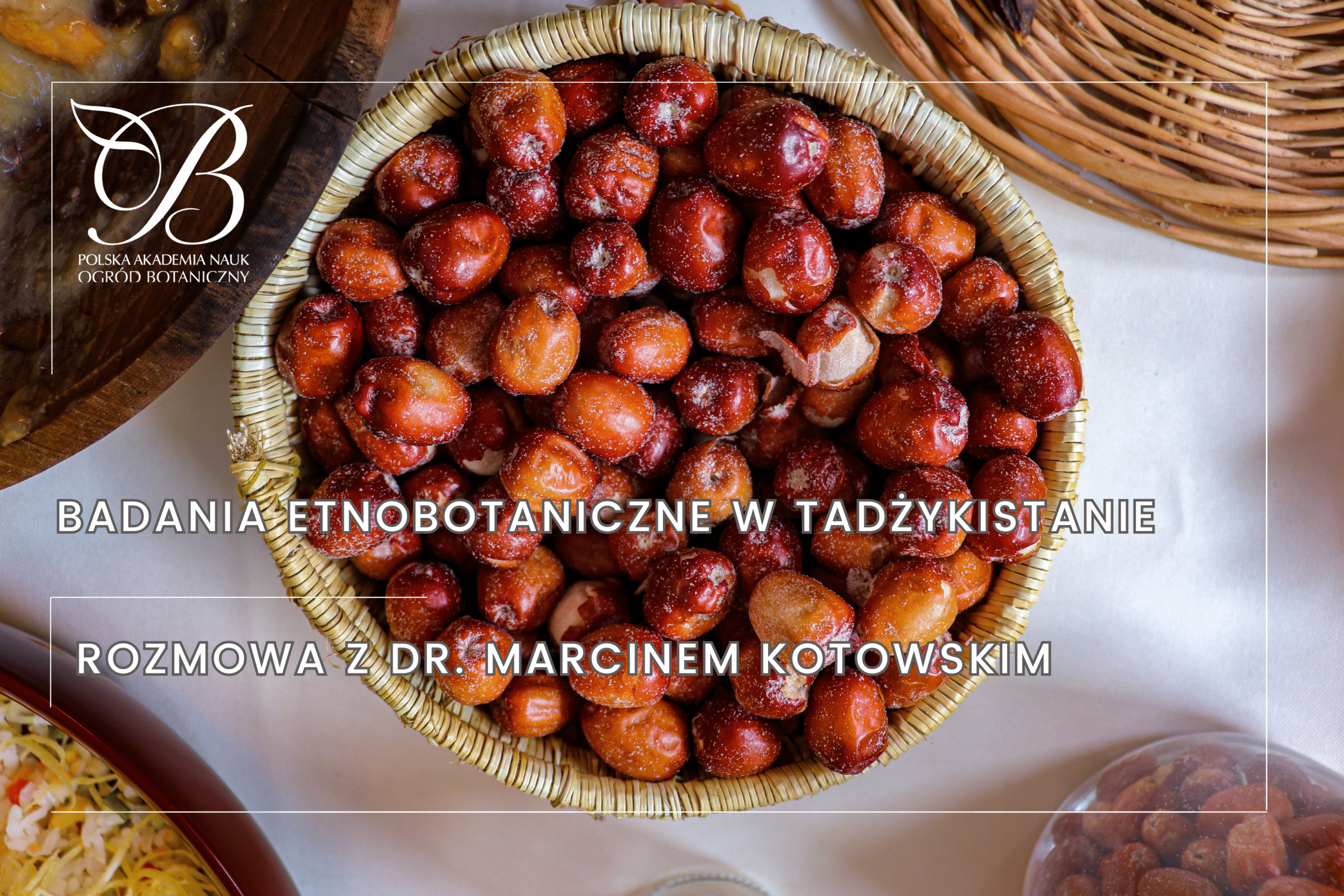
Ethnobotanical research in Tajikistan - a conversation with Dr. Marcin Kotowski
Dr. Marcin Kotowski, an ethnobiologist and employee of the Botanical Garden of the Polish Academy of Sciences in Powsin, co-author of the book, was a guest on Radio Three's program"Tajik Melting Pot. Reflecting the Nature of Central Asia in the Culinary Culture of Tajikistan"..
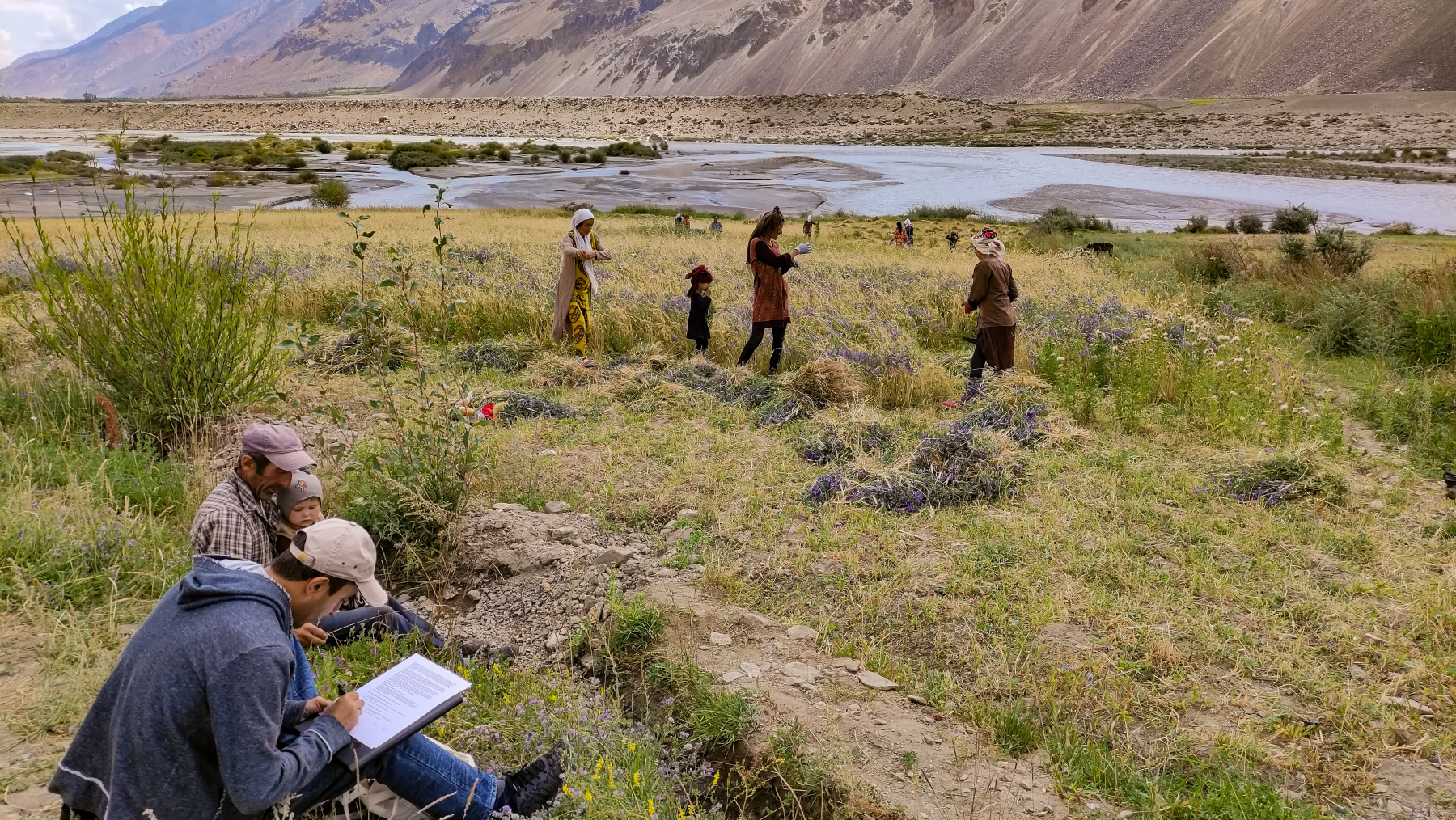
"As far as this book is concerned, it's an ethnobotanical book, because we focused on plants, studying the relationships that exist between local communities and plant species that historically occur in the region. This research is aimed at documenting the traditions associated with the use of the plants, and examining methods of use that have not been recorded before."
The research shows the potential for further work on the plants - both in medicine and cooking. Isolated communities are using endemic species that have not been well understood before, but have been used for centuries to treat specific diseases.
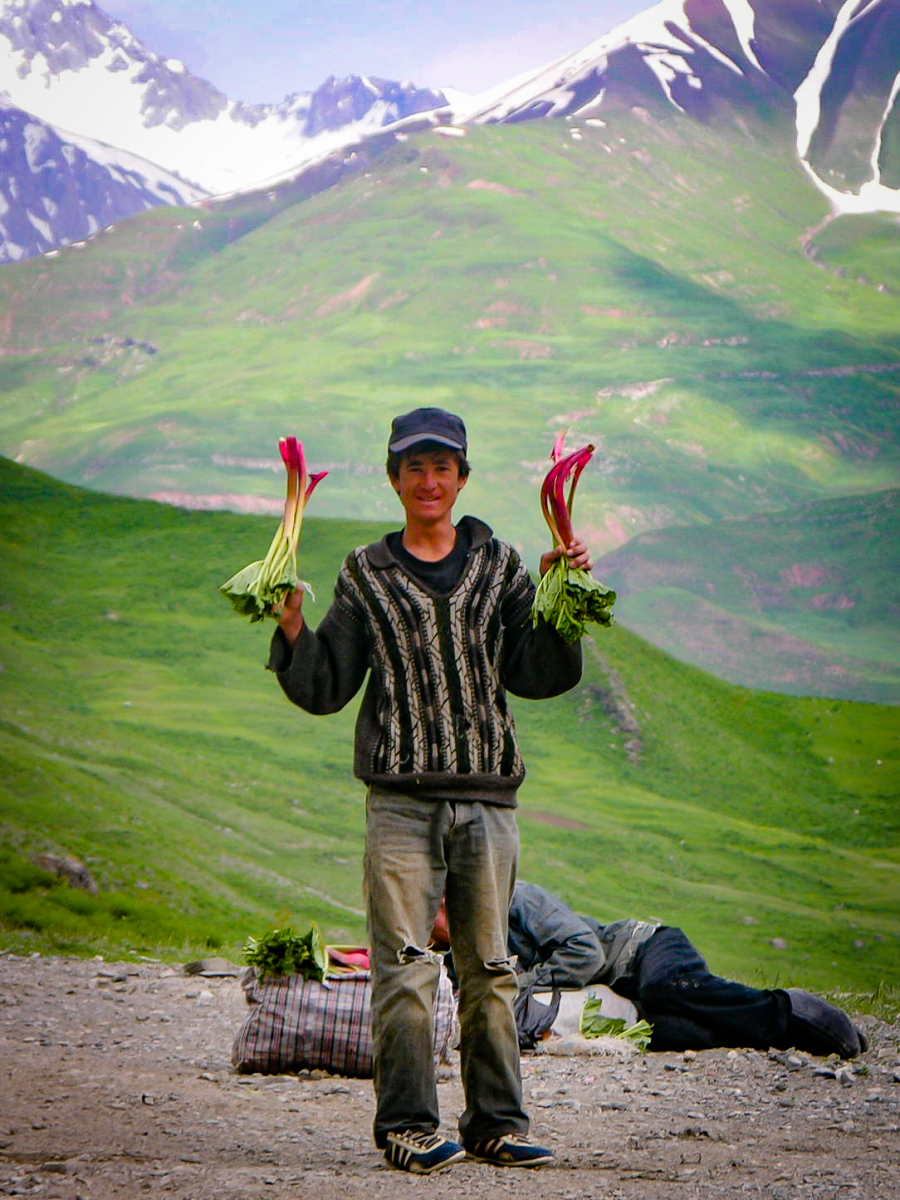
"The area was chosen because it is a hotspot of biodiversity. Poland is twice the size of Tajikistan, but Poland has about 2,600 plant species, while Tajikistan has 4,300. This is due to the large amplitude of altitude - about 7,000 meters - and the isolation of the valleys, which have developed separate plant communities and communities with different cultures and languages."
Culinary traditions and beliefs were of particular importance in the research. In the Badakhshan region, there are visible traces of ancient Zoroastrian beliefs that have permeated the current Islamic culture.
"A basic example is the festival of Nowróz, or the Persian New Year, which consisted of the worship of the rebirth of nature. This is when many recipes related to sprouting wheat and new vegetables appear. This symbolizes the arrival of a new season and the new availability of food."
Sacred plants include juniper, the wood of which is used to make central beams in homes. In traditional beliefs, each beam has symbolic significance - referring to both ancient idols and Islamic saints.
Studies in the Ishkashim and Roztkala valleys have highlighted different ways of using the same plants - often through trial and error, communities came to the same conclusions about their medicinal properties, but seasoned and prepared dishes differently.
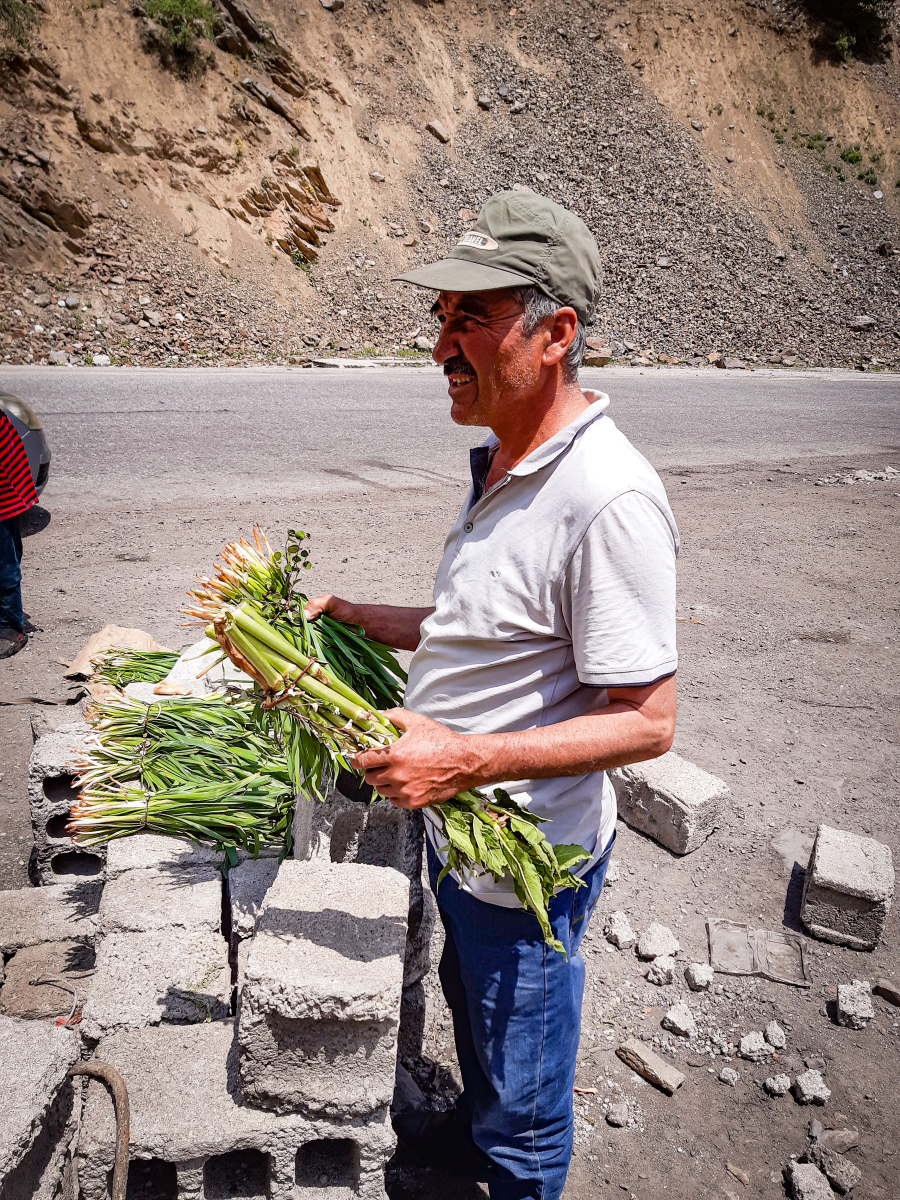
"There have been cases when one person was able to list more than 90 species of plants that he uses on a regular basis in the kitchen."
Conducting the research involved logistical and cultural challenges. Researchers worked with an interpreter familiar with the local languages (Ishkashim, Wahanese, Shugnanese, and Ruslanese), which enabled them to gain knowledge. However, cultural divisions were evident in the region, and the research was also interrupted by political events and protests in Badakhshan.
"Our research was interrupted in the middle of one of the valleys, and we would like to continue it, because we saw from the initial results that writing down this knowledge could result in something unique in terms of the world scale in the field of ethnobotany."
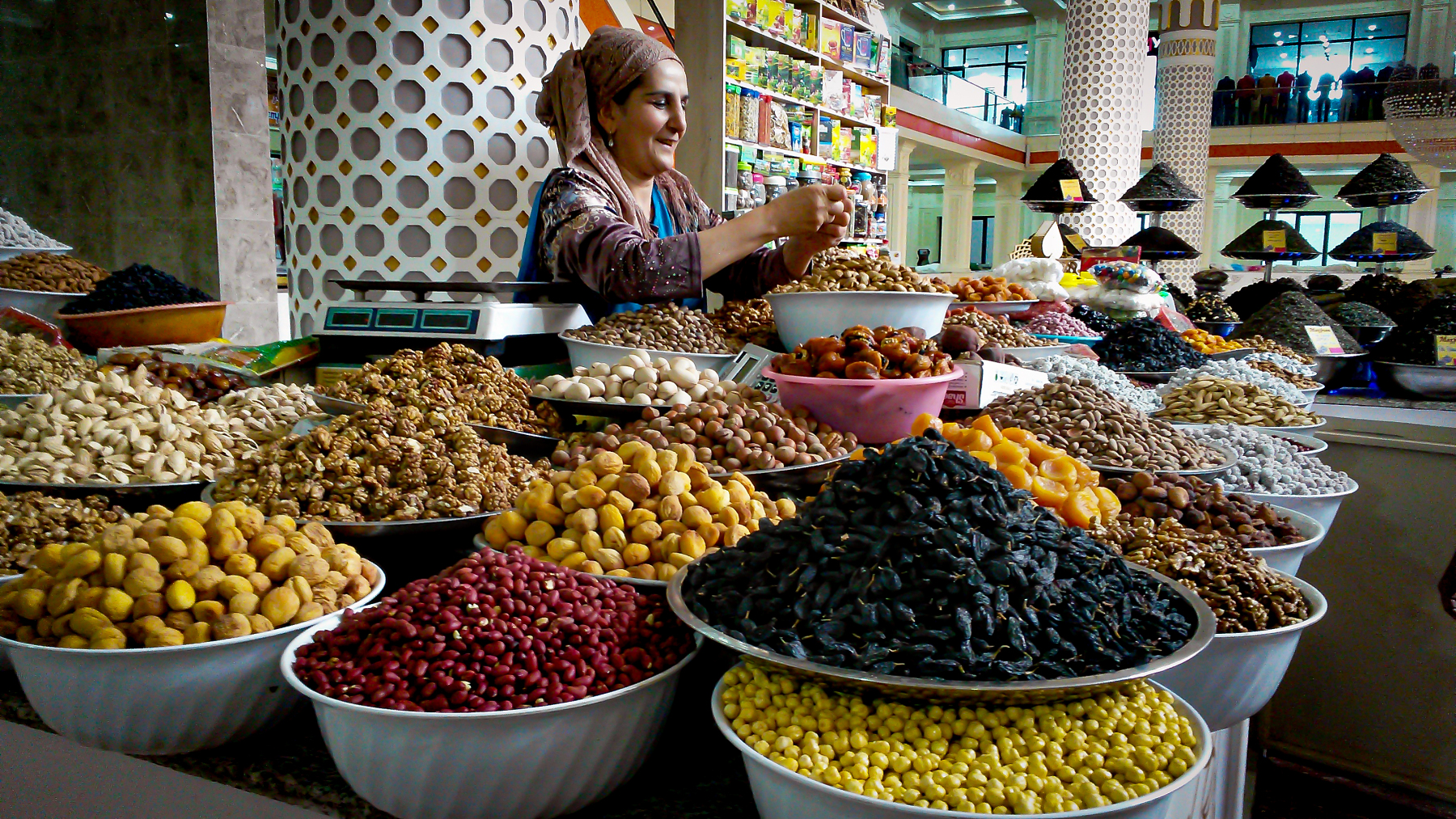
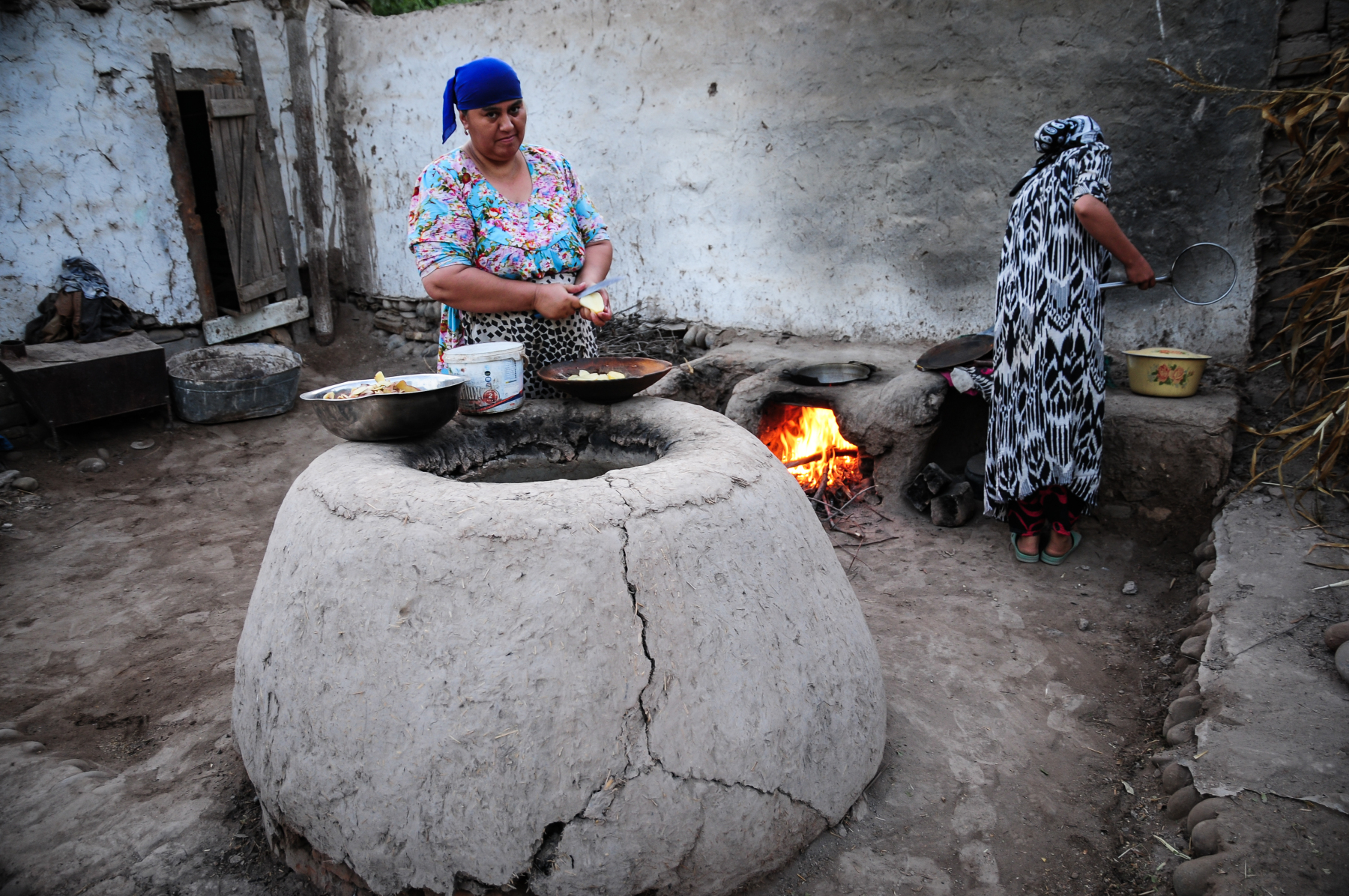
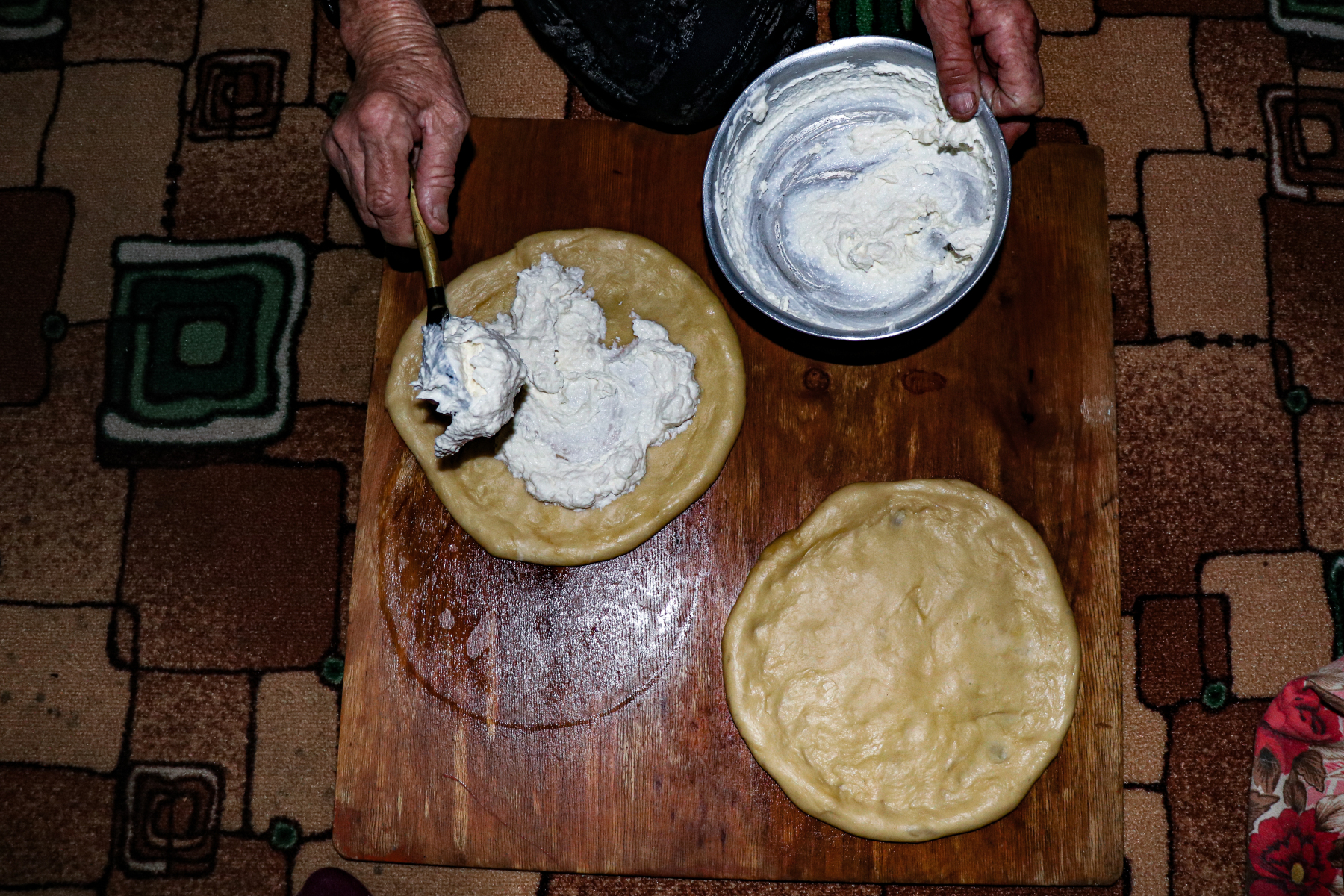
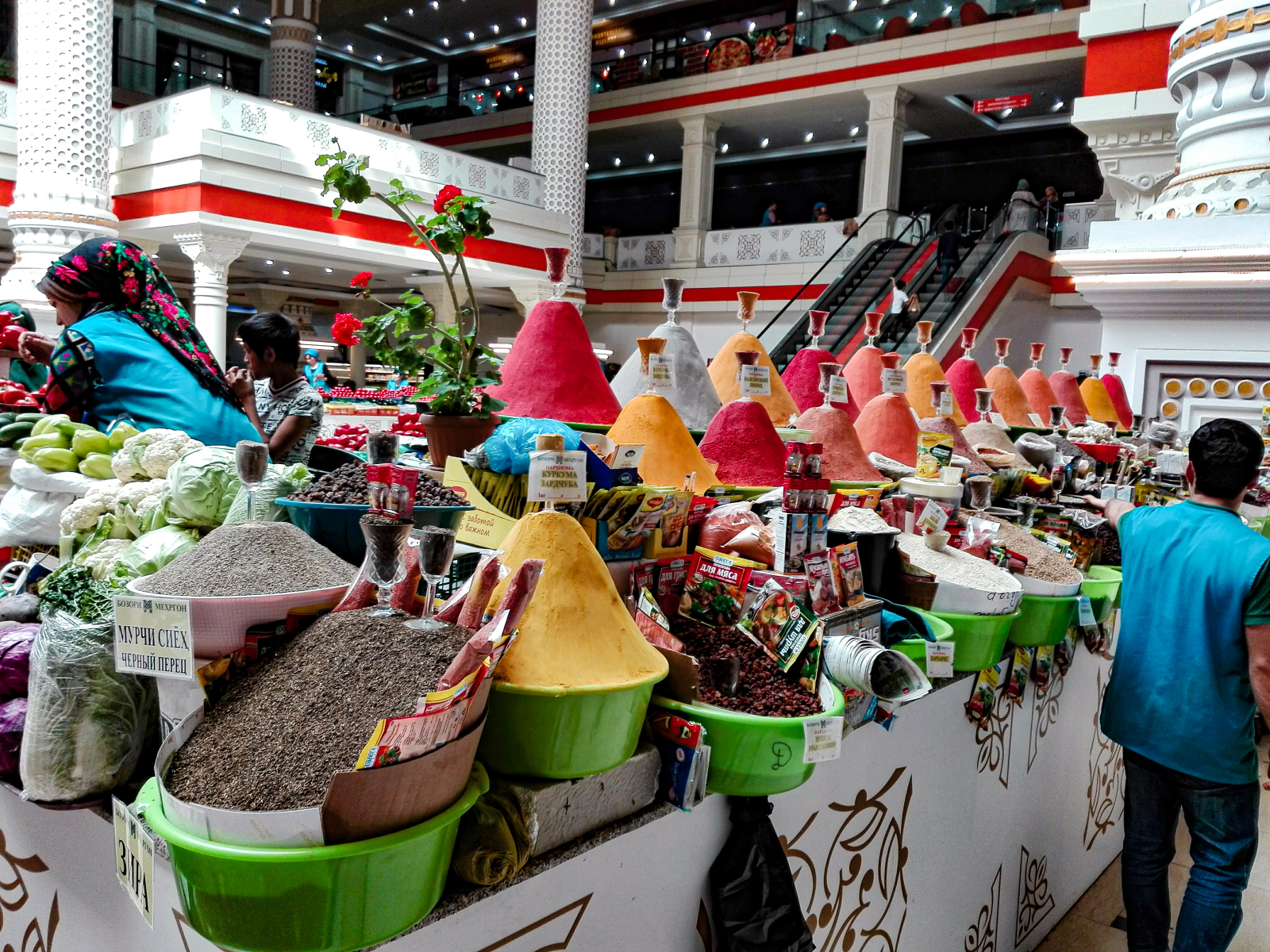
Among the dishes that particularly caught the attention of the researcher was the followingkurutob- a dish based on dried yogurt (kurut), mixed with local vegetables and wild herbs, seasoned with Persian cumin and served with bread baked in a tanur oven.
You can listen to the entire conversation here: Ethnobotanical research in Tajikistan
 English
  Polish