
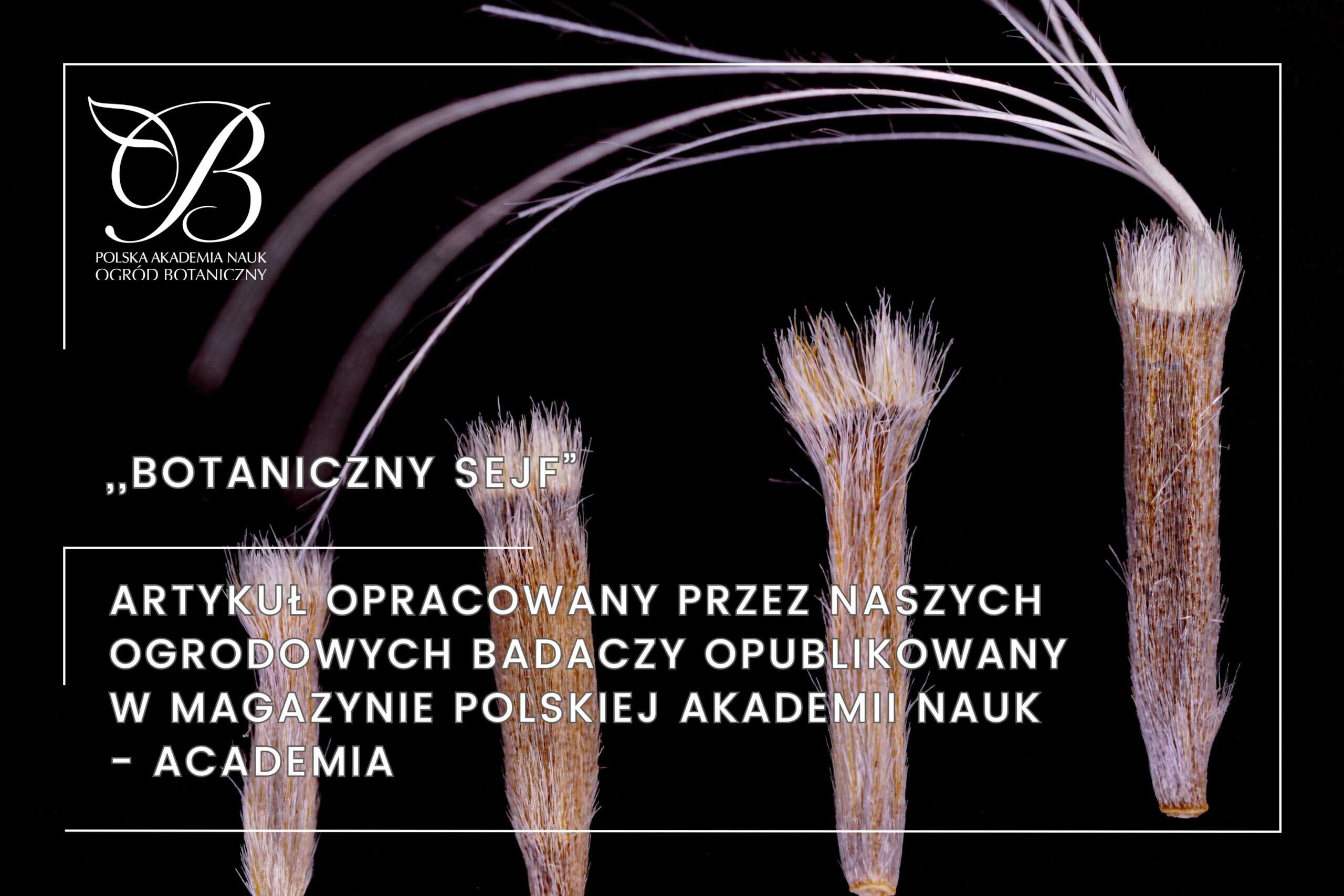
The Botanical Garden of the Polish Academy of Sciences (PAN) has been protecting plants from extinction for more than half a century. Founded by Prof. Dr. Jerzy Puchalski, the seed bank is one of about 1,800 such facilities in the world. It collects and safeguards seeds of wild, protected and endangered plants - resources that could be irretrievably lost without conscious human activity.
Initially, the unit's activities focused mainly on cultivated varieties and wild forms of rye. Over time, however, the concept evolved. Faced with the disappearance of more species, the idea emerged to create a separate seed bank dedicated to protected and endangered plants. As a result, the bank began to receive specimens from areas particularly vulnerable to degradation.
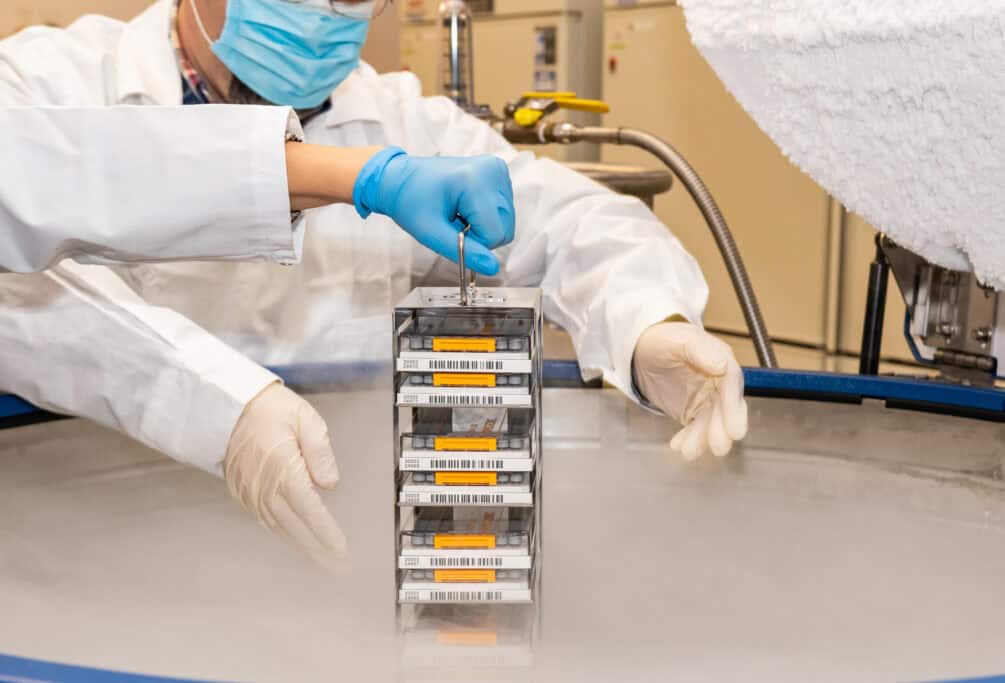
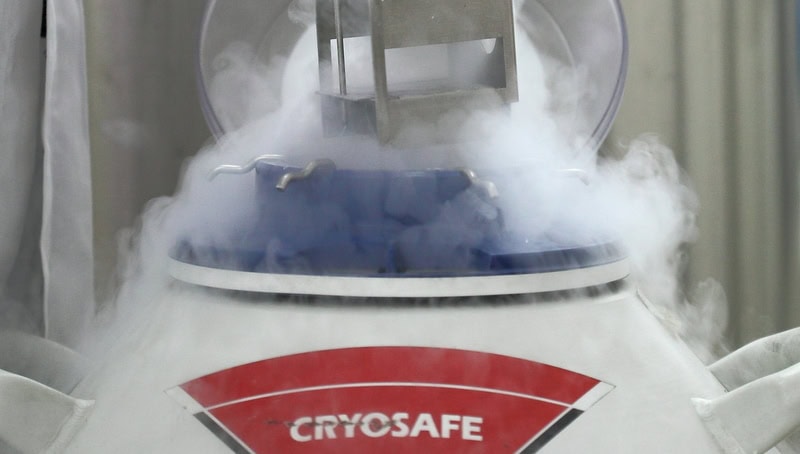
The Center for the Preservation of Biodiversity at the PAS Botanical Garden has implemented innovative methods for extending the life of seeds. The use of ultra-low temperatures, as low as -196°C, combined with proper seed preparation, enables long-term storage.
The seed bank of the Polish Academy of Sciences is not just a place to store and secure resources. It is also a real action for the restitution of species in the natural environment. Thanks to its activities, among others, Siberian lingcod in the Upper Pilica Valley and bellflower in the Kampinos National Park have returned to their sites.
The increasing pressure of the loss of nature's natural resources is setting the stage for contemporary conservation efforts. As the researchers emphasize: „[...] Nature, properly protected, has a chance to survive and be restored to life.”.
All those who care about nature and who would like to know what species and how they are stored in the seed bank are encouraged to read the article Rucińska A., Nowak A.,(2025) Botanical Safe. Academia. Magazine of the Polish Academy of Sciences, pp.80-83
https://journals.pan.pl/Content/137467/80-83_Bank%20nasion_PL.pdf?handler=pdf
DOI: 10.24425/academiaPAN.2025.156828



 English
  Polish